
It’s Less About Skill and More About Who They Are
Last week, we discussed how difficult it can be to hire good people and reviewed a process for doing it better. That process was based on the Dave Ramsey EntreLeadership method for interviewing.
This week, we’re going to look at Patrick Lencioni’s model for recognizing and cultivating the three essential virtues outlined in his book, The Ideal Team Player. This is a book I highly recommend. It is the story of a construction company leader who is desperate to save the business by figuring out how to get the right people on the team.
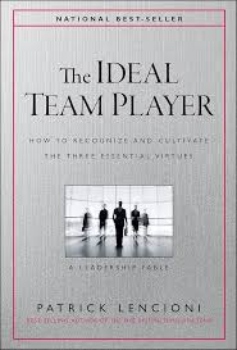
You may not be much of a reader, and I get that. Fortunately, the book is also available as an audiobook, and there are several good summaries available as well.
It’s difficult to build a team if you haven’t clearly defined what an ideal team player looks like to you in the first place.
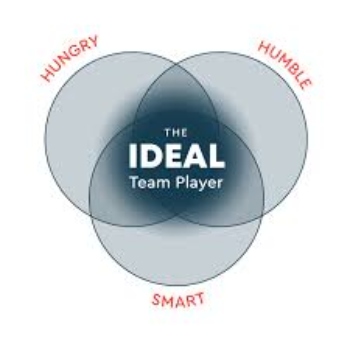
According to Patrick Lencioni, an ideal team player consistently demonstrates three core virtues: humility, hunger, and people smarts. These traits provide a practical framework for identifying, hiring, and developing strong team members.
The Three Virtues of an Ideal Team Player
- Humble – The first and most important virtue of an ideal team player is humility. A humble employee is more concerned with the success of the team than with getting credit for their own contributions.
People who significantly lack humility—those who demand a disproportionate amount of attention—can be dangerous to a team. At the same time, humble team players are not afraid to honestly acknowledge the skills and talents they bring to the organization. They simply do so without pride or arrogance.
- Hungry – The second virtue is hunger—the desire to work hard and do whatever is necessary to help the team succeed.
Hungry employees rarely need to be pushed by a manager because they are self-motivated and diligent. They volunteer to fill gaps, take on more responsibilities, and are constantly looking for new ways to contribute to the team’s success.
- Smart (People Smarts) – The final virtue is not about intelligence or education. Instead, it refers to being wise in dealing with people.
Employees with strong people smarts understand the nuances of team dynamics and recognize how their words and actions impact others. Their judgment and intuition help them deal interact with coworkers in effective and productive ways.
Lencioni emphasizes that all three virtues need to be present. Lacking even one can make teamwork significantly more difficult and undermine overall team performance. The combination of humility, hunger, and people smarts creates a reliable model for building high‑performing, cohesive teams.
Unfortunately, challenges arise when even one of these attributes is missing.
For example, a humble and hungry employee who lacks people smarts may accomplish a great deal but often leaves a trail of damaged relationships behind them.
Likewise, a humble and people-smart employee who lacks hunger can frustrate team members by doing only what is required and needing constant encouragement to contribute more.
Finally, a team member who is hungry and people-smart but lacks humility can have a devastating impact on the team. This type of person often knows how to present themself as a well-intentioned colleague while primarily looking out for their own interests. By the time others recognize what’s happening, team members may have already been manipulated and paid the price.
How do hire ideal team players?
It starts with knowing what you’re looking for and being willing to explore non-traditional ways of finding candidates.

But what about employees who are already on the payroll and lack one or more of these virtues?
A big part of helping people improve is making sure they understand the concepts and recognize where they may be falling short. Introducing this model to your team and openly discussing it can go a long way toward creating positive change.
The impact of building a team that values and demonstrates humility, hunger and people smarts cannot be overstated.
Most struggling teams are not lacking knowledge or technical competence. More often, they are unaware of how dysfunctional behaviors cause confusion, conflict, and chaos. A team full of people who are humble, hungry, and smart can overcome many of those challenges.
The result is greater productivity, stronger relationships, and fewer distractions.
If you have questions about hiring or building your business, schedule a meeting with me. If you would like help growing your business, check out our tools and training resources.