
The Question Is: How Do You Do That?
The conversation at this week’s Builders Coffee focused on the difficulties of scheduling construction projects and then actually keeping that schedule.
One example shared was how weather disrupted a project that required working from a roof. Strong winds made it too dangerous to be up there, which meant the entire day was lost. That delay affected the production schedule for that project and pushed back the start of the next one.
Production schedules can be affected by a lot of different things.
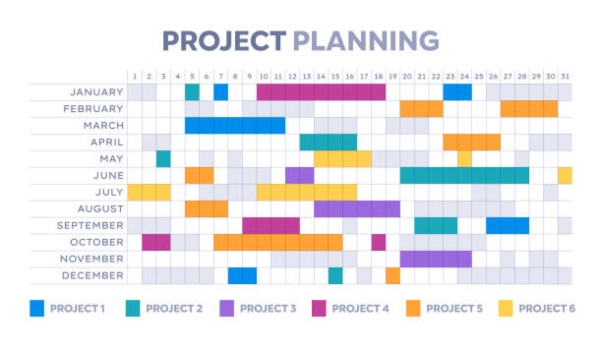
Rain, snow, wind, material delays, equipment breakdowns, people getting sick—the list goes on and on. These things can’t always be planned for, but they do happen.
Projects falling behind schedule is a common problem in construction. And when that happens, customers usually become upset or disappointed, whether the job doesn’t start on time or drags out longer than expected.
This week, I also had a conversation with a woman who had storm damage to her roof last year. She hired a roofing contractor and paid him 50% down when they reached an agreement. Over the past several months, she has texted, emailed, and called him, leaving him messages and not receiving a response.
She was extremely frustrated and rightfully so.
Eventually, she sent an email threating to take more severe action. When we spoke this week, she told me she had finally heard back from him. He gave her a deadline to have the project completed by the end of March.
We’ll see if that happens.
There was at least some positive action: the roofing materials were delivered. But that created a new problem. She wasn’t told the delivery was coming, and as a single woman living in the country, it was unsettling when unknown men showed up unexpectedly and unannounced to unload materials.
So, as professionals in the construction business, what do we do about situations like this?
There are a few ways to improve these situations.
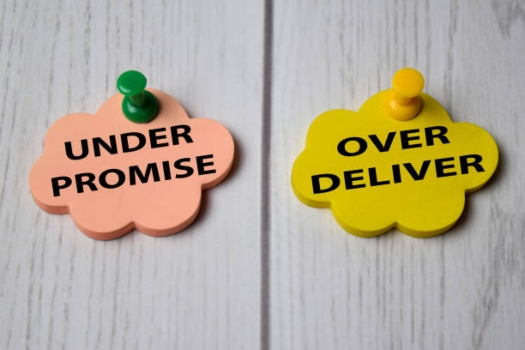
Something I determined a long time ago was the importance of underpromising and overdelivering. That doesn’t mean it’s easy, because it isn’t.
Quality workmanship in construction is in high demand. Most of these builders genuinely want to help people. But that often leads to saying yes to too many projects. And when you say yes to too much, you don’t have enough time to do everything well.
That’s when customers become unhappy.
I know this firsthand because I tend to take on too many things myself. There are so many important and valuable things out there that need attention. But time is limited, and it’s up to each of us to spend it wisely.
That’s why underpromising and overdelivering matters.
Another key part of this is scheduling, and scheduling comes down to priorities.
What makes one task more important than another?

That can be one of the hardest questions to answer. When everything feels important, it’s difficult to decide what should come first. But simply being aware of this, and understanding its impact, can help you make better decisions. Prioritizing is one of the core elements included in the Planning Journal for Builders.
Finally, there’s communication.
This may be the most important piece of all. Keeping customers informed and in the loop is critical. That doesn’t mean telling them you’re behind schedule gives you a free pass to stay behind. But silence is far worse than honesty.
Good communication starts at the very beginning, when the customer first contacts you, and it should be maintained throughout the entire relationship. It’s grounded in openness and honesty, not sales-y overpromising.
We have tools that can help with scheduling and communication. If you’d like to learn more, you can check out the business building tools in the toolbox or schedule a free 30-minute meeting.

Ultimately, it comes down to being clear about your priorities, being honest, and communicating consistently.