

It’s Up to You to Decide Where
It sucks to open an envelope or email and find a big red OVERDUE stamped across it. We’ve all experienced forgotten or unexpected bills showing up. It’s even worse when we don’t have the money to pay them.
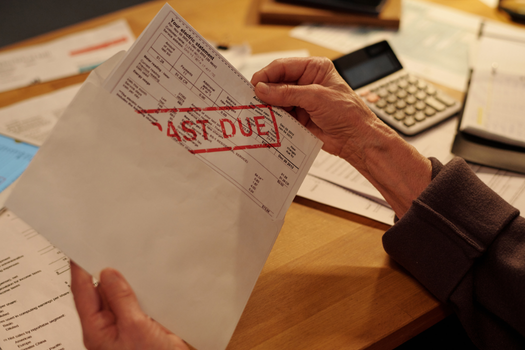
This is why it’s important to have a tool that helps prevent these situations.
A cash flow forecast uses your financial history and the things you already know are coming to help you plan for your money. It’s not the same as profit, but it’s essential for understanding the financial health of your business.
I know keeping an Excel spreadsheet updated every week is one more thing to add to your already busy life. But having a plan for your money is worth the time. It’s hard to put a price on avoiding financial surprises that could eventually lead to going out of business.
A Six-Week Cash Flow is just such a tool.
Cash flow is the movement of money into and out of a business. Inflows are money received from sales, services, or other sources. Outflows are money spent on expenses, purchases, debt repayments, or other obligations.
Cash flow is not profit. It’s about money moving in and out of a business, and it’s essential for understanding your financial health and sustainability.
Just because a job is profitable doesn’t mean the money is in your bank account when you need it. You might have $50,000 in profitable work underway, but if the customer hasn’t paid you yet, that doesn’t help you make payroll on Friday.
The key to a successful business is having more money flowing in than flowing out.

Cash flow forecasts are most accurate over the short term. The further into the future you try to predict, the less accurate they become. That’s why I recommend a six-week forecast updated every week.
Six weeks gives you a reasonable window to see what’s coming and make adjustments. Knowing you could be short on cash three or four weeks from now gives you time to do something about it. Waiting until the money is gone doesn’t leave you with many good options
The Six-Week Cash Flow is an Excel spreadsheet with five different pages that work together to give you a better picture of your finances.
The first page is Cashflow. This is where everything comes together. It includes more frequent expenses like weekly payroll, owner’s draws, fuel, savings transfers, and other regular payments. It also brings the numbers from the other four pages together so you can see whether more money is flowing in or out.
The second page is Actual Payables. This is where you enter recurring monthly bills like rent, phone bills, insurance, internet, along with less frequent expenses such as sales tax, accountants, material suppliers, and subcontractors. Miscellaneous and unexpected expenses go here, too.
The third page is Actual Receivables. This includes amounts customers have been invoiced for, along with other income such as selling used tools, equipment, or salvaged materials. Reimbursements and transfers from savings to checking can also be included.
The last two pages look ahead at construction projects that are underway or have signed contracts but haven’t started yet.
Estimated Payables helps you forecast project expenses using the costs included in your proposal. You can spread those costs over the expected project duration or enter them based on when you expect the expenses to happen.
Estimated Receivables works the same way for income. You use the proposal amount to estimate when and how much money you expect to receive from the customer.
Once everything is entered, the totals automatically flow to the Cashflow page. This gives you a clearer picture of where you are financially and where you’re heading over the next six weeks.
Having this information allows you to spot potential cash shortages and make adjustments before they turn into bigger problems.
We’re working on getting the Six-Week Cash Flow ready and available in the Business BUILDing Toolbox.
Money is going to flow into and out of your business. You can’t always control when customers pay or when unexpected expenses show up. But you can take control of how you plan for the money you have and the money you expect to receive.
The sooner you see what’s coming, the more opportunities you have to make good decisions. Cash is going to flow. It’s up to you to decide where.
If you have questions about the Six-Week Cash Flow, any of the other tools, or something else related to building your business, you can schedule a free 30-minute meeting.